
episodes
Feb. 24, 2025
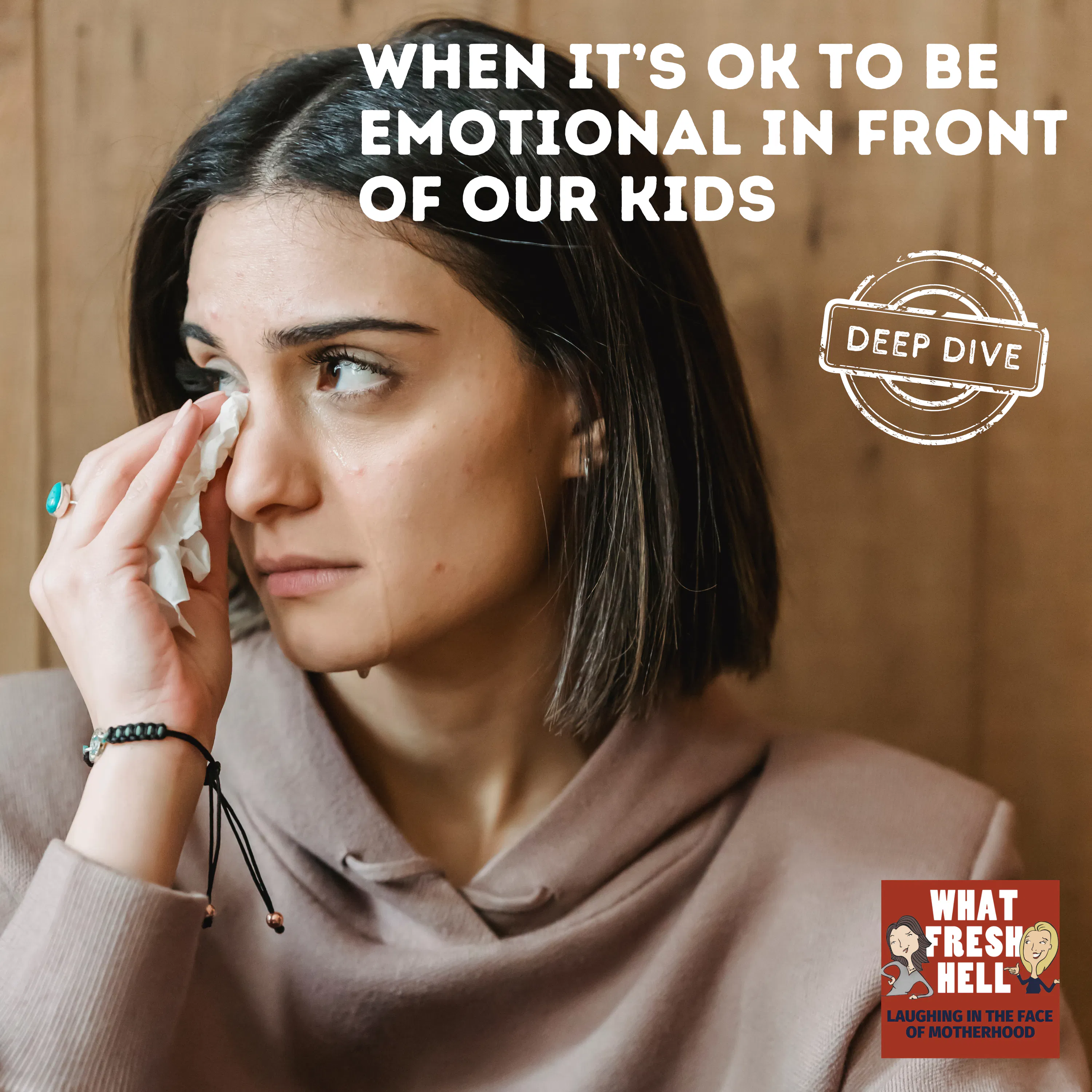
DEEP DIVE: When It's Okay To Be Emotional In Front of Our Kids
Kids shouldn’t have to hold our emotions for us, but is it OK for them to witness our sadness or loneliness? When is shower-crying the better bet, and when are our negative emotions safe for us to express? Can it be a good thing for our kids to see?

Feb. 21, 2025
Fresh Take: Renee Reina, "The Mom Room"
How can we reconcile the idealized parenting we see online with our actual daily lives? Renee Reina, host of "The Mom Room," tells us how she's trying to find the balance.

404
Feb. 19, 2025
We Settle Your Arguments (Part 2)
We had to dedicate not one but two episodes to settling our listeners' low-stakes disagreements, from how to cut an avocado to proper popcorn prepping.
Feb. 17, 2025
DEEP DIVE: Changing the Stories We Tell Ourselves
Our brains are wired for story. That doesn’t mean that the stories we tell ourselves are always accurate–or that the alternative stories others may have are necessarily wrong. Here’s how to identify–and change–the stories we tell ourselves.
Feb. 14, 2025
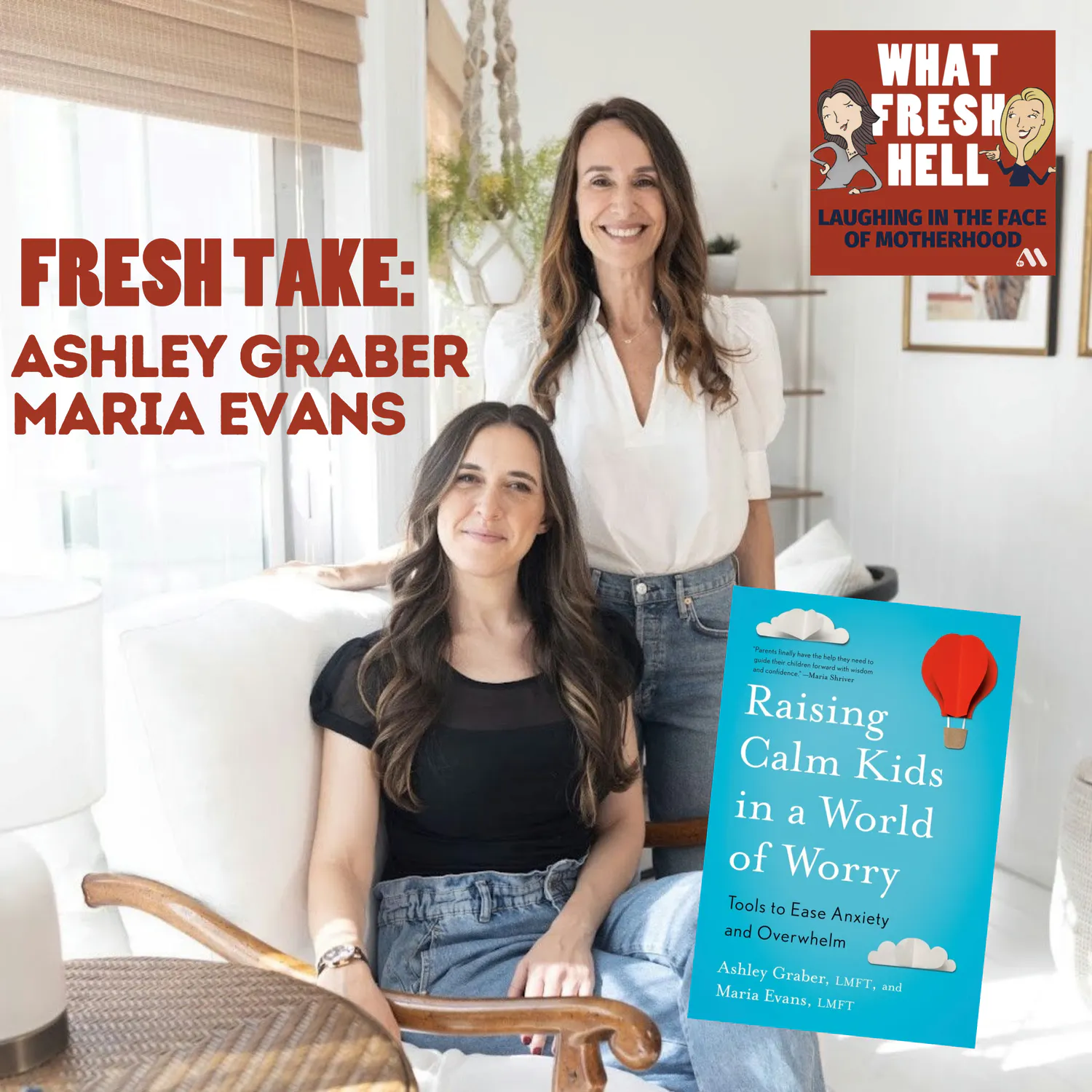
Fresh Take: Ashley Graber and Maria Evans on Raising Calm Kids
In such an anxious age, how can we validate our children's very real fears without making them worry more? Ashley Graber and Maria Evans, authors of RAISING CALM KIDS, explain how to recognize and navigate anxiety in our kids.

403
Feb. 12, 2025
We Settle Your Arguments (Part 1)
We asked our audience what small arguments they keep on a low boil with their partners at all times. From travel rules to sleeping habits to coffee cup positions, Amy and Margaret rule once and for all.

Feb. 10, 2025
DEEP DIVE: Is This a Midlife Crisis?
"Have I wasted my life? Should I have gotten married so young? Should I have gone to law school?" As we approach "middle age," whatever that is, can we avoid the midlife crisis? If not, how can we can put it all in perspective?
Feb. 7, 2025
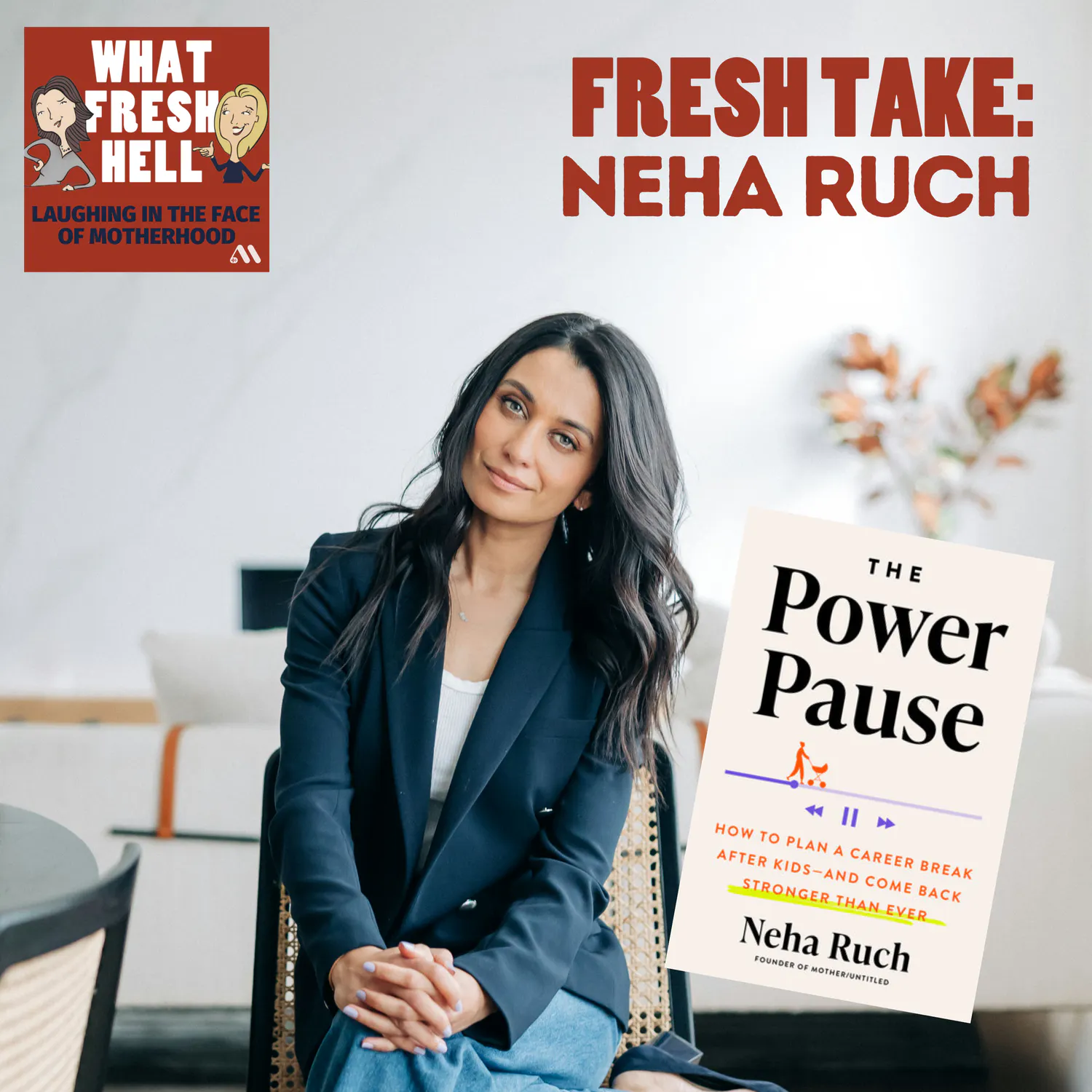
Fresh Take: Neha Ruch, "The Power Pause"
Mothers can feel a loss of identity when they take time off paid work to raise children. Neha Ruch, author of THE POWER PAUSE, reframes that time away from the workforce as a time of growth and change, not loss.
402
Feb. 5, 2025
Multitasking: Turns Out We’re ALL Bad At It
A lot of us think it's settled science: men's and women's brains are different, and women are just better at multitasking. Here's what the science really says about why we're ALL bad at doing multiple things at once.
Feb. 3, 2025
DEEP DIVE: When It's Time To Pivot
When it’s time to pivot, it’s easy to focus on what doors are closed. That’s when it’s important to remember that with one foot planted firmly in place, we still have 360 degrees of choice on where to head next. Here’s how we’ve pivoted in our lives.
Jan. 31, 2025
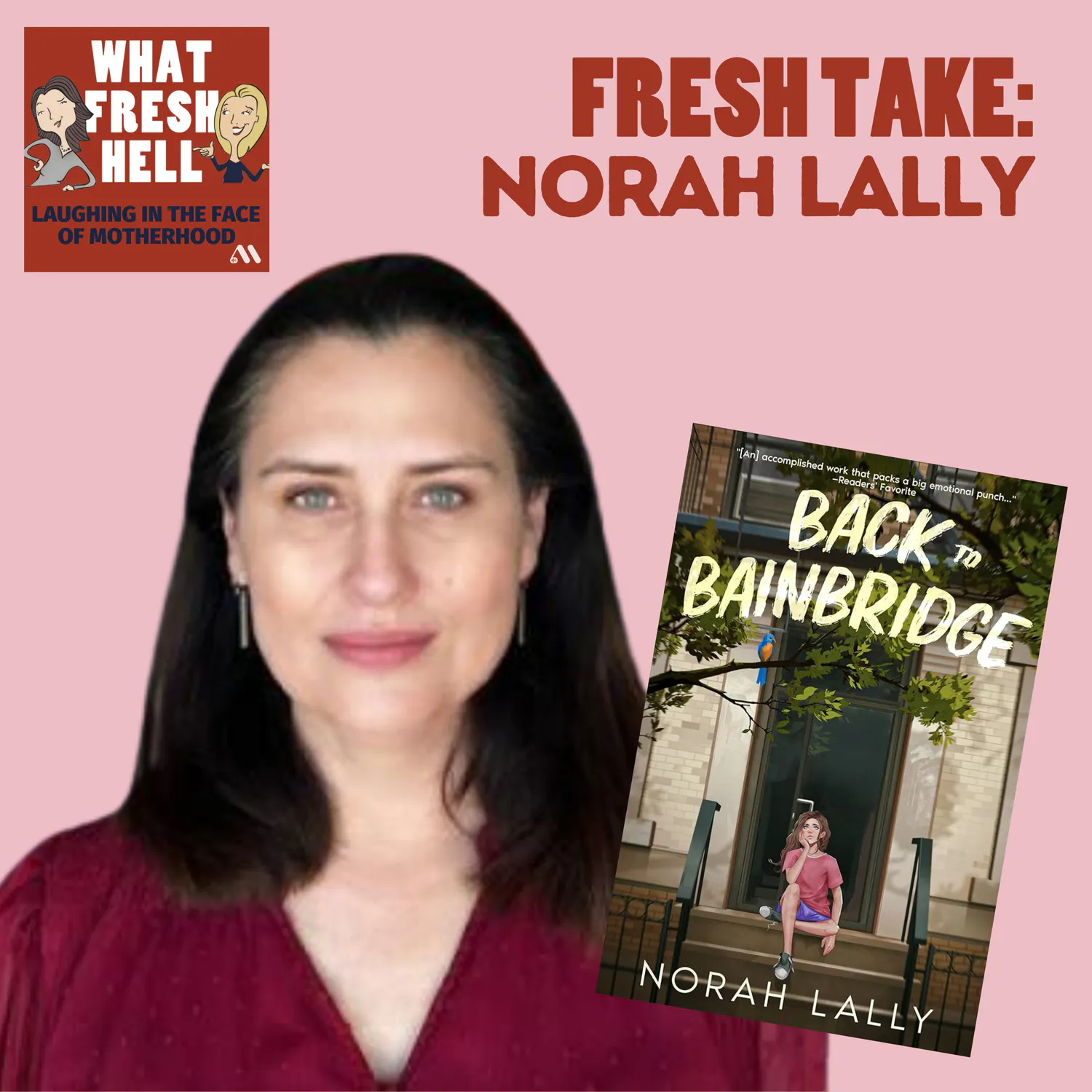
Fresh Take: Norah Lally
What can our relationships with our own mothers teach us about parenting? Norah Lally, author of the new book BACK TO BAINBRIDGE and Margaret's BFF, discusses the family history that inspired her debut novel and her own experiences as a mother.
401
Jan. 29, 2025
Our 2/1 "Back-to-Ones" for 2025
We don't do New Year's resolutions at What Fresh Hell. We do "back-to-ones" on 2/1. Here's why we believe in resets, rather than resolutions, and here are the resets we are putting in place.
Jan. 27, 2025
DEEP DIVE: How Motherhood Changes Us
Studies show that mothers’ brain structures change during pregnancy, along with our shoe sizes. That most of us become more hypervigilant and more anxious isn't a personal failing– it's a biological imperative. We discuss how to give ourselves grace about the ways motherhood has changed us.

Jan. 24, 2025
Fresh Take: Nancy Reddy on "The Good Mother Myth"
Why are we all led to believe that motherhood is both natural and instinctive—and something you have to work hard to get exactly right? Nancy Reddy, author of THE GOOD MOTHER MYTH, discusses the origins of misguided notions around motherhood.
400
Jan. 22, 2025
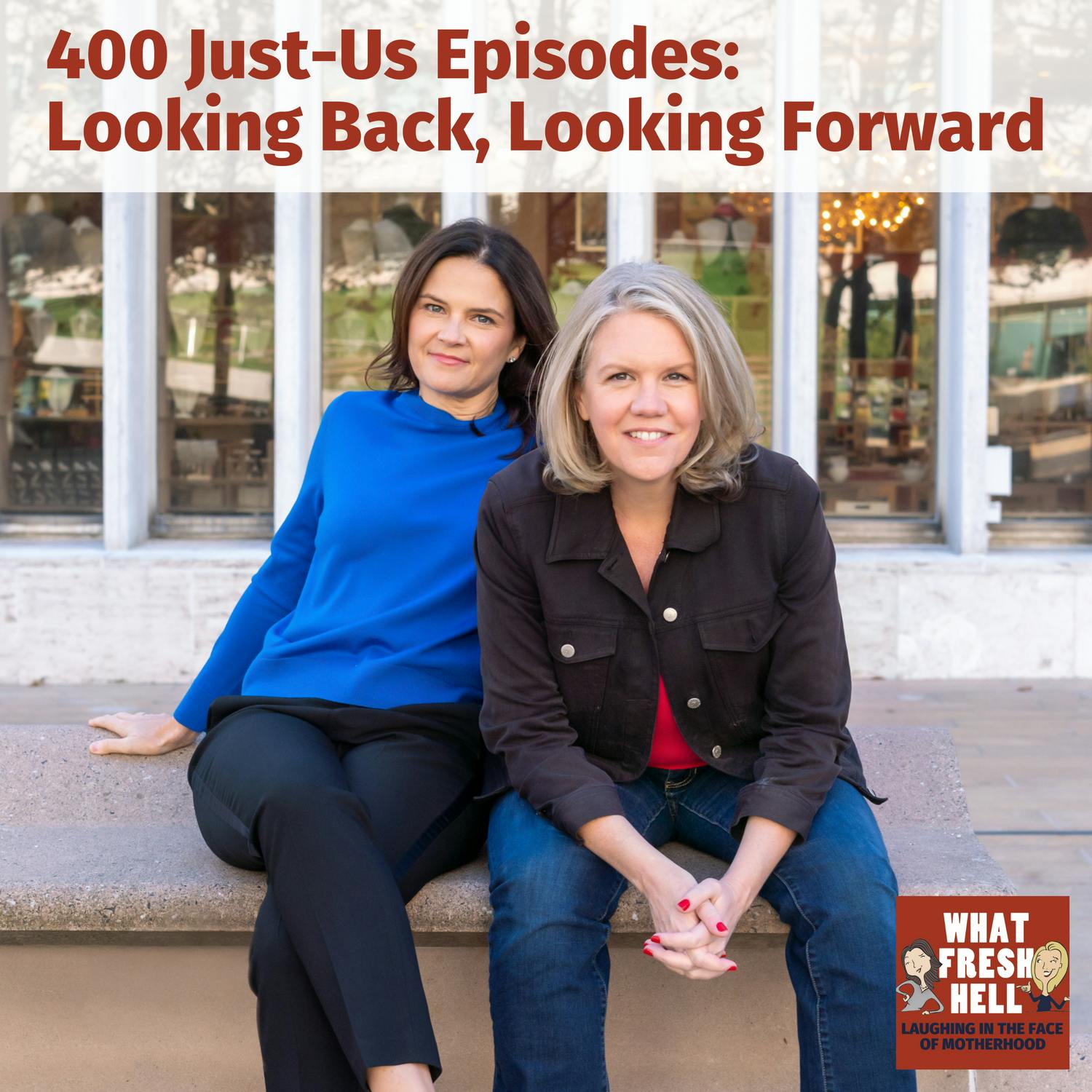
400 Just-Us Episodes! Looking Back, Looking Forward
This is our 400th just-us episode of "What Fresh Hell." Here's what we've learned about ourselves as women and as mothers in eight years on the mic.

Jan. 20, 2025
DEEP DIVE: Handling the News with Our Kids
In response to the terrible fires in California, we are offering this list of resources and ways to help—and this episode, originally from 2021, about how to help our kids handle the news.

Jan. 17, 2025
Fresh Take: Mallory Thomas on How to Get Off Our Phones
If our phones are designed to be un-put-downable, how can we ever hope to decrease our screentime? Writer and influencer Mallory Thomas discusses the strategy that finally worked for her after a lot of failed attempts.
399
Jan. 15, 2025
"Are You Mad at Me?" When Kids Live to Please
Kids need to learn sensitivity to the needs and emotions of those around them. Some kids become perhaps overly sensitive. How can we help kids who are little *too* eager to please?
Jan. 13, 2025
DEEP DIVE: Minor, Life-Changing Tips
Here are our minor and yet life-changing tips for making your car, kitchen, bathroom, handbag, and day run just a little more smoothly.

Jan. 10, 2025
Fresh Take: Tyler Moore, "Tidy Dad"
What do you do when you're so overwhelmed by a cluttered space that you don't know where to start? Tyler Moore @tidydad, author of TIDY UP YOUR LIFE, offers practical tips for clearing clutter—physical, emotional, and mental.
398
Jan. 8, 2025
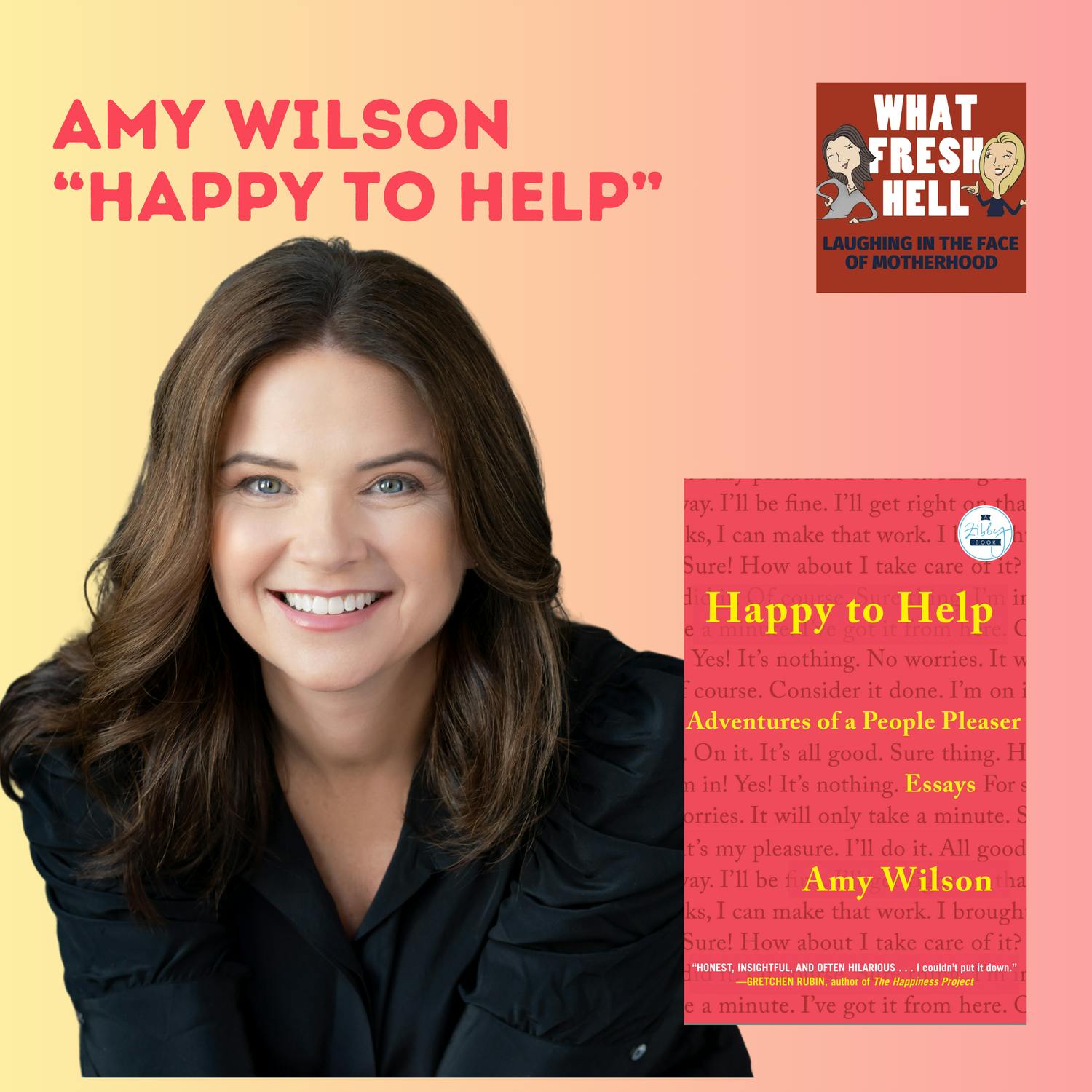
Amy Wilson, "Happy to Help"
Amy's new book, HAPPY TO HELP, is finally here! She talks with Margaret about the inspiration for the book, stories of people pleasing gone awry, and why women take on the role of people pleaser so often.

Jan. 6, 2025
DEEP DIVE: The Most Important Things We've Learned (So Far)
What have we learned in the six years since we started the What Fresh Hell podcast? Here are the most important things we've learned from our experts, from each other, and from our listeners.
Jan. 3, 2025
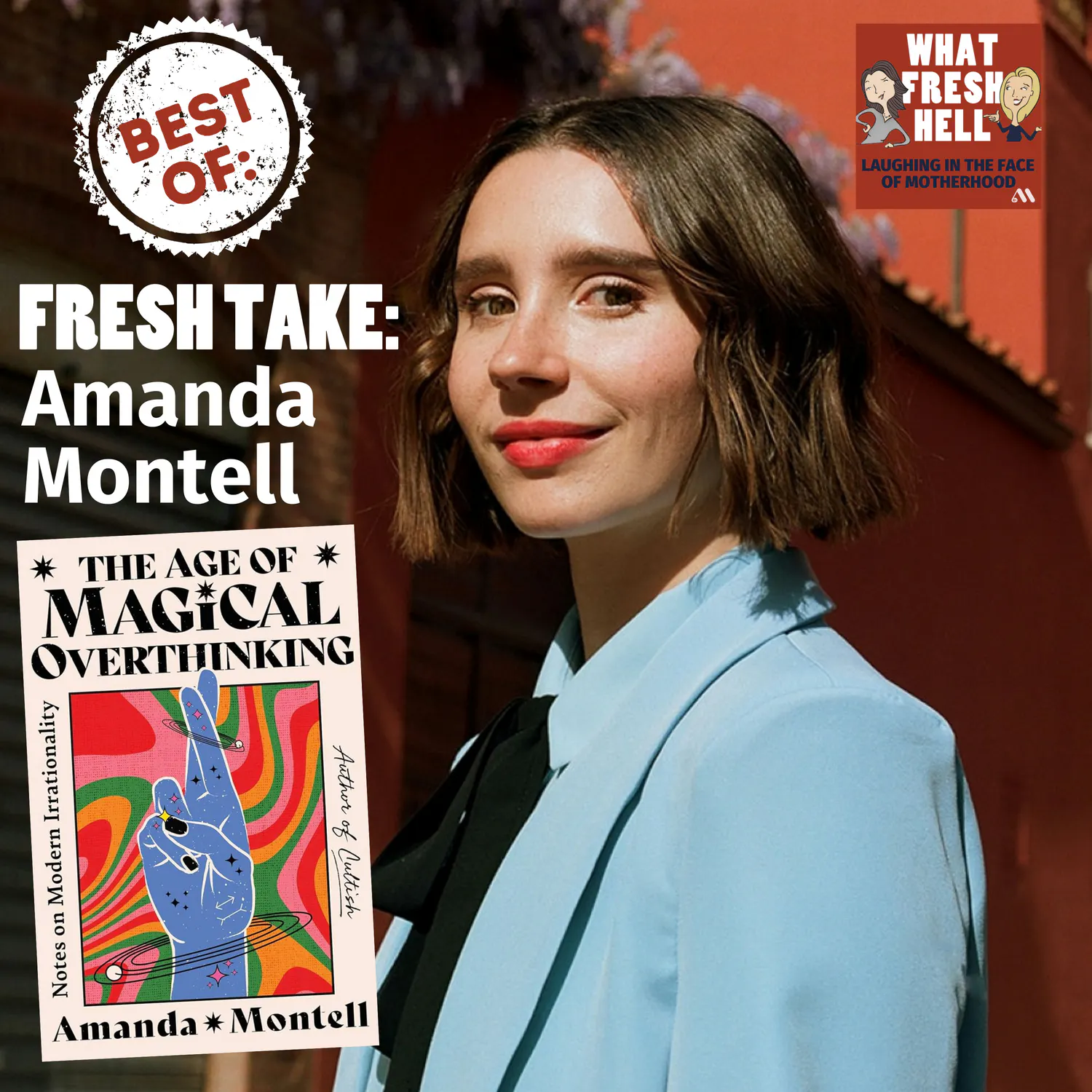
BEST OF: Fresh Take: Amanda Montell and the Age of Magical Overthinking
These days we're bombarded with messages that we can manifest the reality we wish to exist. Amanda Montell, author of the new book THE AGE OF MAGICAL OVERTHINKING, explains the cognitive biases that give us an illusion of outsized control in our lives.
397
Jan. 1, 2025
BEST OF: What We're Taking Into The New Year (with Life Coach Ann Imig)
How can we enter the new year with a confidence in what we already have and do well, rather than a list of things we have to fix? Life coach Ann Imig shares strategies for discovering and cultivating our existing personality strengths.