Negativity is contagious (no duh). We can set limits on the whining and the “No!”, but maybe detaching our emotional states from those of our cranky children is the best place to start. A neutral response makes negativity less interesting sooner.
What do we do when our kids seem more preoccupied with the next gift, toy, or game than the ones they already own? Here's how to contain kids' material obsessions.
Powerful emotions in teenagers are a feature, not a bug. But when kids are dysregulated it can feel like something parents are supposed to fix. Dr. Lisa Damour, author of THE EMOTIONAL LIVES OF TEENAGERS, tells us how to become "safe containers."
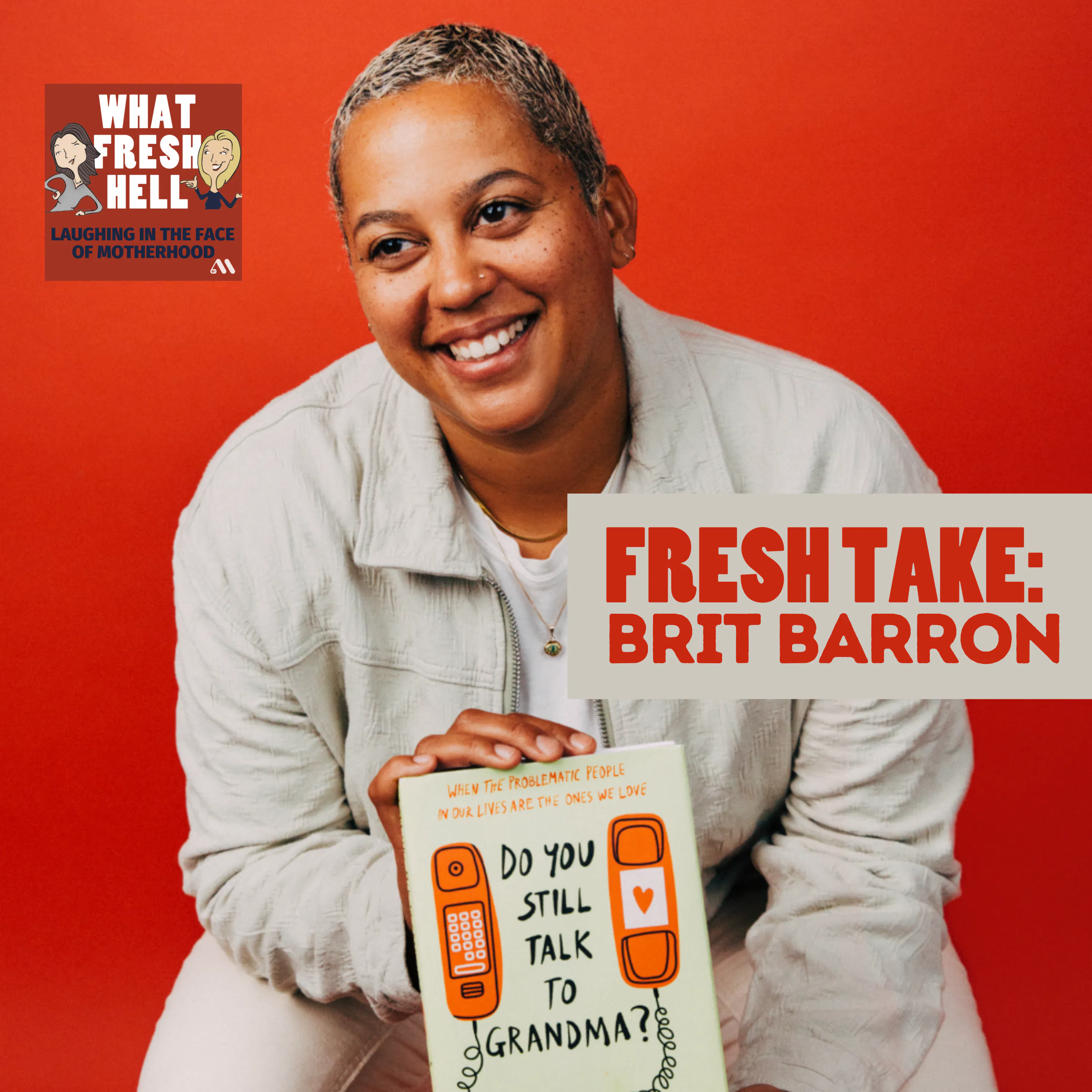
Is the upcoming election, and the thought of Thanksgiving dinner with your relatives right after it, seriously stressing you out? Brit Barron, author of DO YOU STILL TALK TO GRANDMA?, explains why she believes in maintaining contact even when we di…
Powerful emotions in teenagers are a feature, not a bug–but when our kids are dysregulated it can feel like something parents are supposed to fix. Dr. Lisa Damour, author of THE EMOTIONAL LIVES OF TEENAGERS, tells us how to become "safe containers."
Roughhousing and physical play between kids– especially boys– is natural, but that doesn't mean it doesn't drive parents crazy. Here's how to put sane parameters around it.
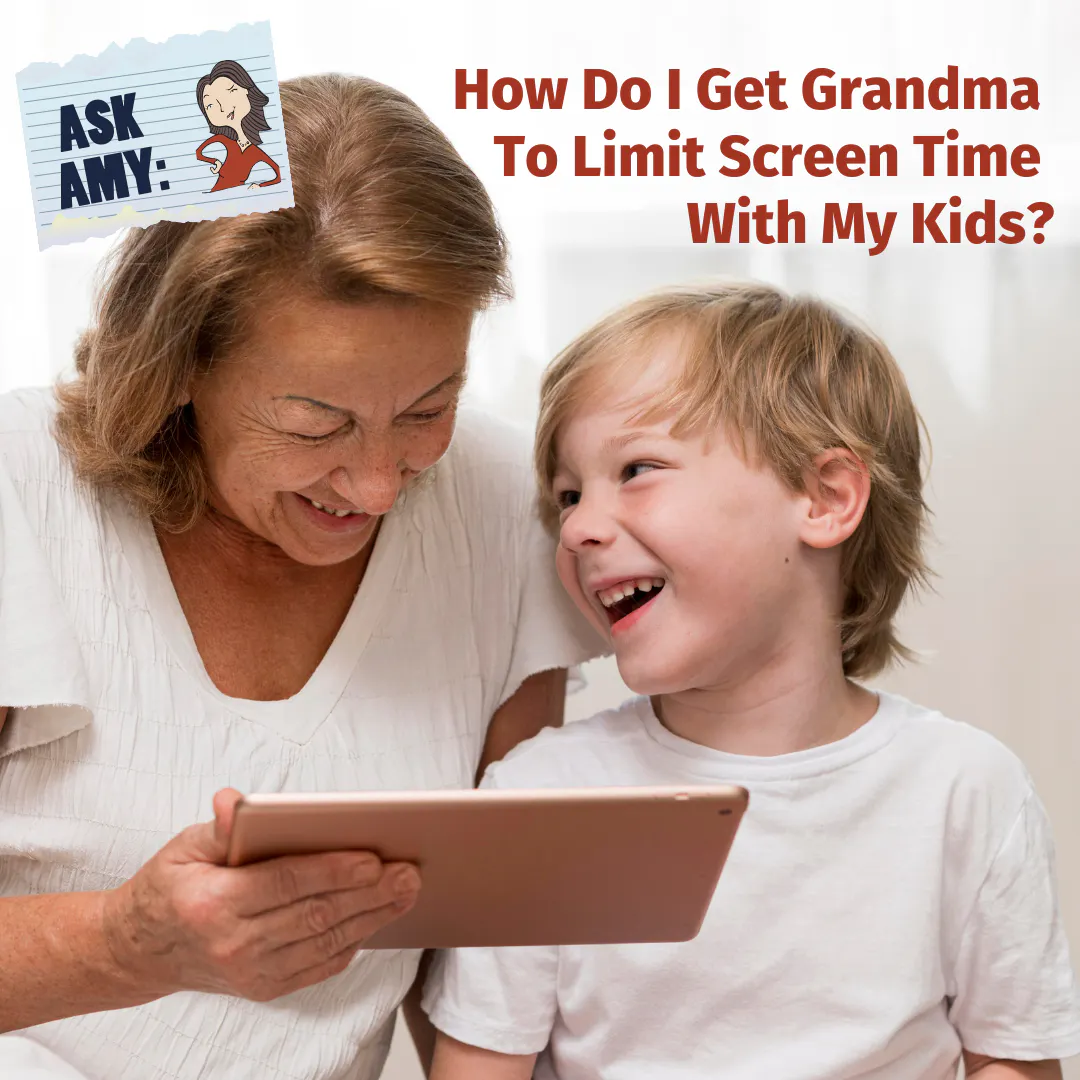
We’ve all had it happen: Grandma says the kids were perfect angels for her all weekend, and then they’re crying and fighting as soon as we get them home. Do we really have to be “safe spaces” for our kids’ worst behavior and most negative feelings?
Turns out Western parenting isn’t the way things need to be–the key to happy kids is doing less. Michaeleen Doucleff, author of "Hunt, Gather, Parent," explains what ancient cultures can teach us about helping kids thrive by being hands-off.
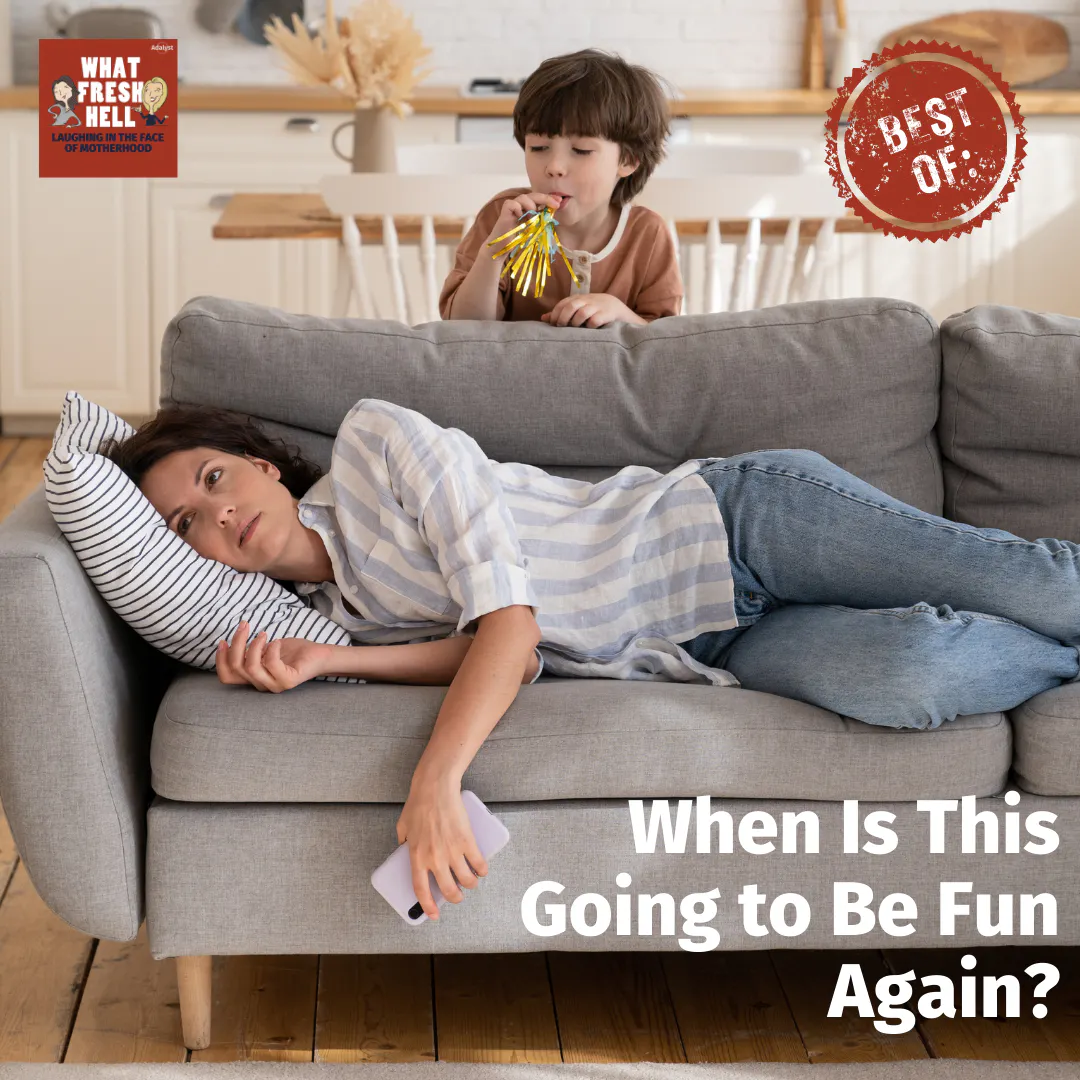
There really are ways to make our lives as parents more fun and lighthearted, even on a regular Tuesday. Memories aren’t only made at Disney. But it’s okay not to love every moment. Getting rid of the shame around that is the first step to more fun.
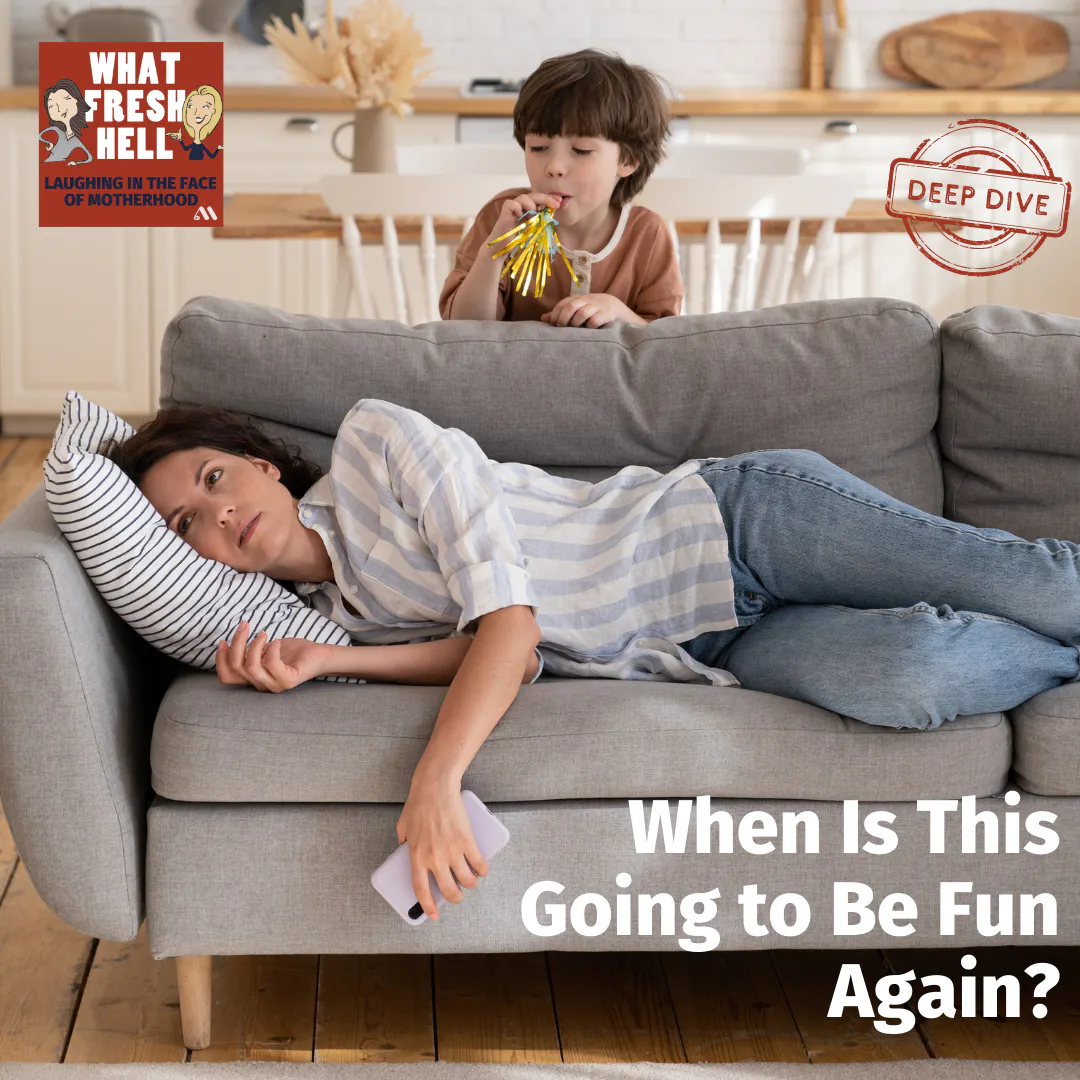
There really are ways to make our lives as parents more fun and lighthearted, even on a regular Tuesday. Memories aren’t only made at Disney. But it’s okay not to love every moment. Getting rid of the shame around that is the first step to more fun.
In-law relationships are close by design, not by choice. No wonder conflicts can arise. But a good in-law relationship, if it’s possible, is worth investing in. Here’s how to have difficult conversations- and more importantly, when to let things go.
These days we're bombarded with messages that we can manifest the reality we wish to exist. Amanda Montell, author of the new book THE AGE OF MAGICAL OVERTHINKING, explains the cognitive biases that give us an illusion of outsized control in our liv…
As parents we try to support our children’s current well-being while also setting them up for future success. But when worry begins to drive our parenting decisions, it’s time for a reset. Dr. Dana Dorfman, author of WHEN WORRY WORKS, explains how.
Society tells us that it's both unavoidable and appropriate for kids to shift their focus from their parents to their peers as they grow. In their newly revised book HOLD ON TO YOUR KIDS, Dr. Gabor Maté and Dr. Gordon Neufeld explain why we should p…
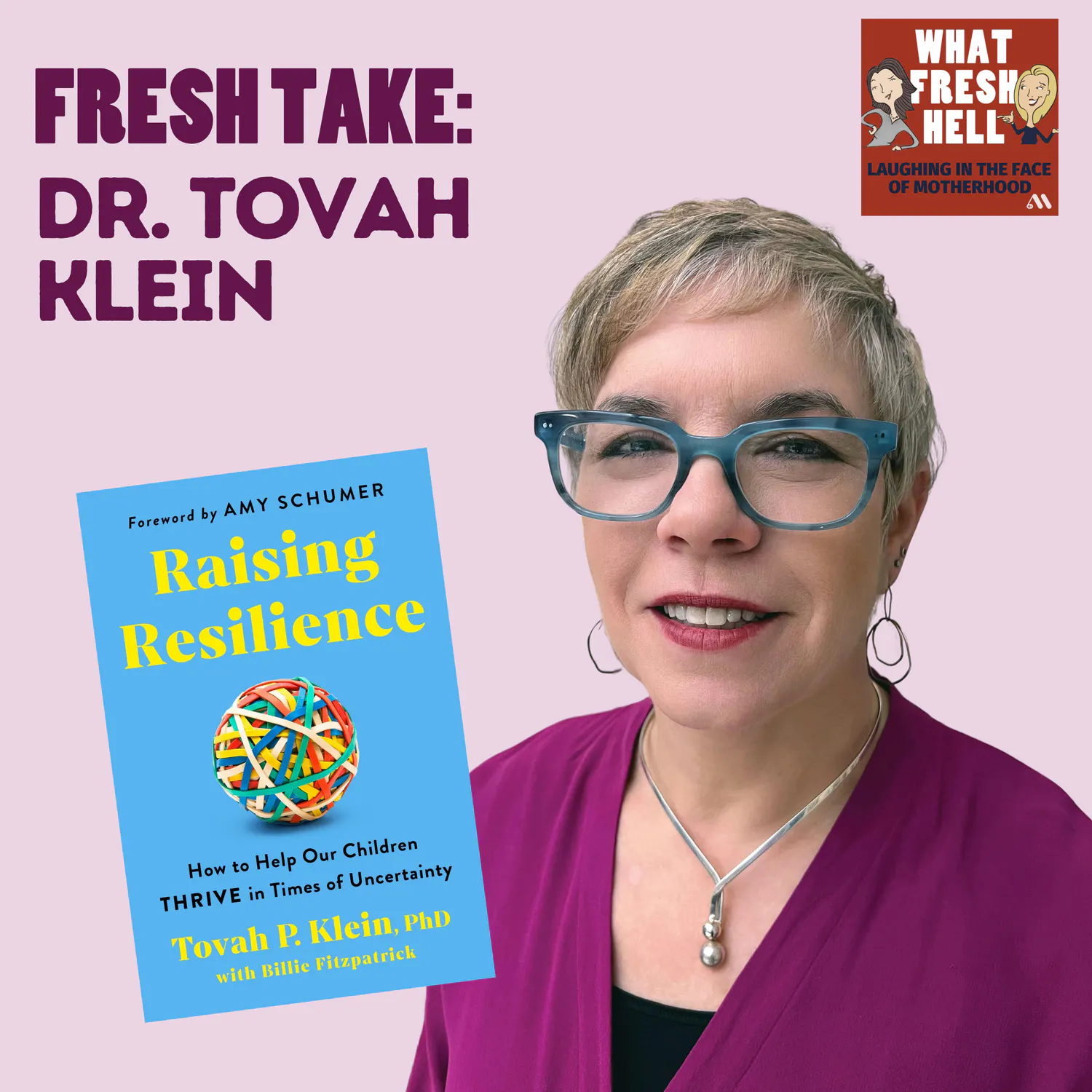
"Resilience" is something we're told our kids should possess—but what does it really mean, and how can we help our kids to be more resilient? Dr. Tovah Klein, author of the new book RAISING RESILIENCE, explains why our own resilience might be where …
Amy and Margaret talk with Glen Henry, author of the new book FATHER YOURSELF FIRST, about breaking cycles, parenting with intention, and healing your inner child.
How do we effectively parent kids with ADHD—and how do we effectively parent when we're the ones with ADHD? Jessica McCabe, author of the new book HOW TO ADHD, details day-to-day strategies for those with ADHD, whether it's you or someone you love.